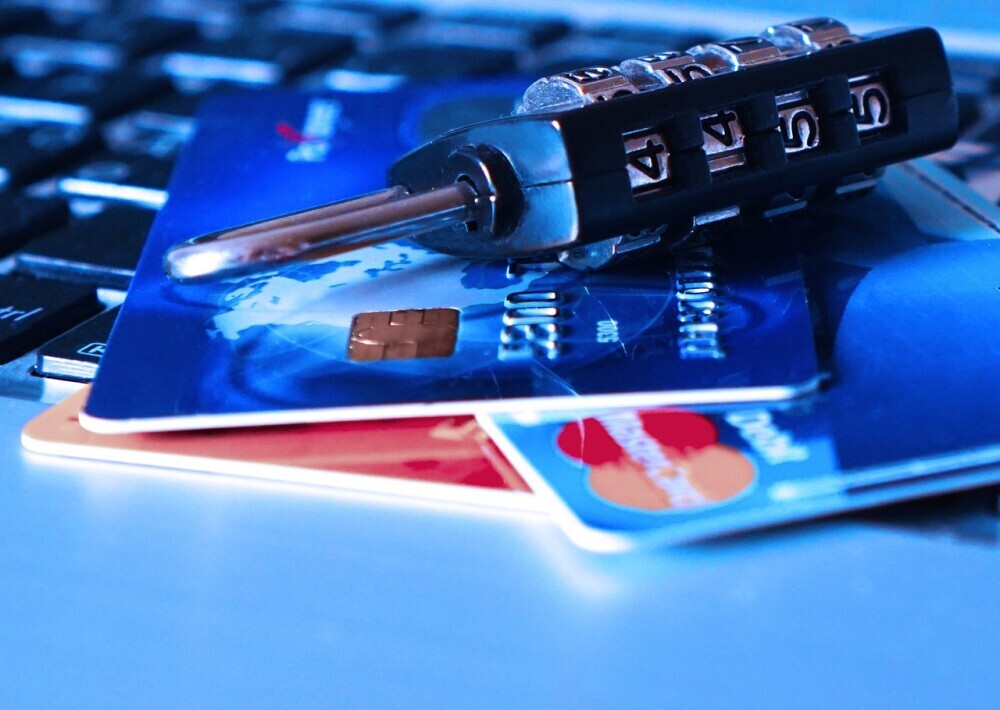
 Hacking might sound like a term straight out of a blockbuster, but it’s very much a part of our real-world, digital puzzle. Imagine hacking as a toolkit—sometimes used to fix, sometimes to break. This world isn’t just about cloak-and-dagger moves; it’s full of nuances that affect everything from your email to your company’s data vault.
In this space, not all hackers wear the villain hat. Enter ethical hackers, the folks who use their tech know-how to safeguard systems and uncover vulnerabilities before the bad guys do. It’s like having a digital locksmith who checks if your ‘door’ holds up against intrusions.
As technology evolves, so does hacking. Back in the day, it might have been about guessing passwords. Today, we’re talking about sophisticated cyber maneuvers. It’s a cat-and-mouse game where every move counts, and staying one step ahead is all about understanding the landscape.
People often think hackers are just out to wreck things for fun, but motivations are many. From money to mischief and sometimes even activism, the reasons vary as much as the personalities behind the screens. It’s a complex web, one that shapes how we think about and interact with our digital world.
Debunking Myths: Separating Fact from Fiction
Hacking isn’t just pushing some fancy buttons and looking cool. It’s an intricate skill set that takes time, effort, and a fair amount of brainpower to master. Those movies where someone hacks into a mainframe in seconds? Pure fantasy. Real hacking leans more on understanding systems deeply and less on flashy theatrics.
Let’s clear up the image of the hoodie-wearing mastermind bent on chaos. Many hackers are actually the good guys—ethical hackers or white hats—working day and night to keep security breaches at bay. They’re the unsung heroes keeping your online world ticking without mishaps.
Think your computer’s unhackable? Unfortunately, that’s a myth. No system is entirely safe. Even the most secure networks can fall, especially when users slack on updates or overlook minor signs like strange pop-ups or sluggish performance.
And here’s a surprise—while headlines make it seem like only giants suffer from hacks, smaller fish are also at risk. Businesses of all sizes, even individuals, need to be just as vigilant. Cybercriminals target wherever they spot a weakness, no matter how small the scale.
Empowering Readers: Safety and Awareness in a Digital Landscape
Being safe online is as crucial as keeping your home secure. Start with strong passwords that mix numbers, symbols, and letters. Think of it as creating an uncrackable secret code just for you.
Stay ahead by keeping your software and devices updated. Those little notifications might be annoying, but they often patch up loopholes that hackers might otherwise exploit.
Knowledge is power, literally. The more aware you are of phishing scams, fake websites, and other online tricks, the better armed you are against becoming a target.
Fear can be a digital enemy, too. Don’t let it freeze you. Instead, channel it into action. Get educated on cybersecurity threats and solutions. Make informed decisions like backing up your data regularly and being cautious about what you share online.
Creating a safer digital world isn’t a solo gig. It’s about teamwork. Encourage conversations about online safety with family, friends, and colleagues. The more we talk about it, the more prepared everyone gets.